Understanding Full Body Checkups: Why Annual Health Screening Matters
Full body checkups provide a comprehensive overview of your overall health and help identify potential risks early. Annual health screening allows timely medical intervention before symptoms appear. Regular checkups support preventive healthcare and long-term well-being. A complete diagnostic assessment empowers individuals to take control of their health proactively.
12/29/2025
Introduction: What Is a Full Body Checkup
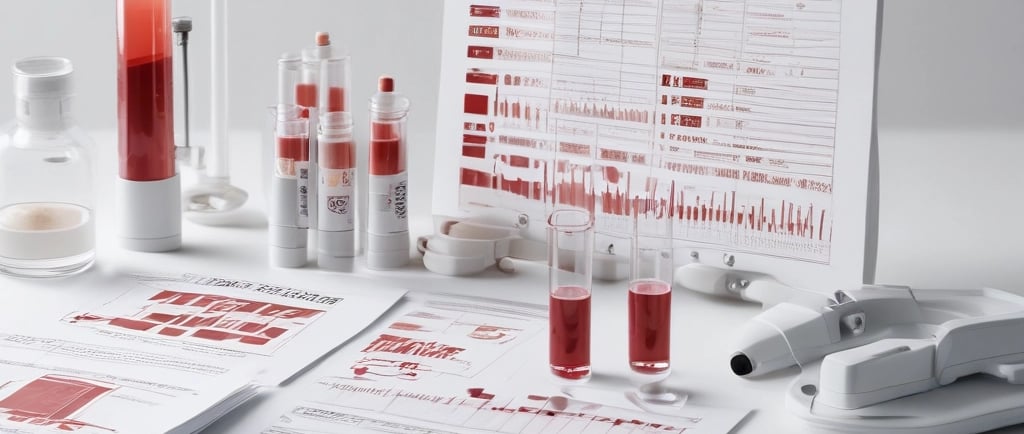
A full body checkup is a comprehensive diagnostic evaluation that assesses the functioning of major organs and systems in the body. It includes a combination of blood tests, urine tests, and other screening parameters designed to detect health issues at an early stage. Unlike symptom-based testing, full body checkups focus on prevention rather than treatment.
In today’s fast-paced lifestyle, many health conditions develop silently. Stress, poor diet, lack of physical activity, and environmental factors contribute to gradual health deterioration. Regular full body checkups help identify early warning signs and enable timely medical intervention.
Why Annual Health Screening Is Important
Annual health screening allows individuals to monitor changes in their health over time. Comparing current test results with previous reports helps identify trends and detect abnormalities early. Small changes in blood sugar, cholesterol, or organ function can indicate the beginning of a health issue.
Early detection through routine screening reduces the risk of complications and lowers long-term healthcare costs. Preventive testing also minimizes the need for emergency medical treatment by identifying problems before they become severe.
Key Components of a Full Body Checkup
A standard full body checkup includes several diagnostic profiles that evaluate overall health. Blood tests assess hemoglobin levels, blood sugar, lipid profile, liver function, kidney function, and thyroid activity. Urine tests help identify infections, kidney problems, and metabolic disorders.
Additional tests may include vitamin levels, electrolyte balance, and inflammation markers. These parameters provide a detailed picture of nutritional status, metabolic health, and immune function.
Early Detection of Lifestyle-Related Diseases
Lifestyle-related diseases such as diabetes, hypertension, obesity, and heart disease are increasingly common. These conditions often develop without noticeable symptoms in the early stages. Full body checkups help identify risk factors early and allow timely lifestyle modifications.
Detecting elevated cholesterol or borderline blood sugar levels early enables individuals to make dietary changes, increase physical activity, and manage stress effectively. Early intervention significantly reduces the risk of long-term complications.
Role of Full Body Checkups in Organ Health
Vital organs such as the liver, kidneys, and heart play a crucial role in overall health. Full body checkups assess the functioning of these organs through specific diagnostic tests. Liver and kidney function tests help identify early signs of organ stress or damage.
Regular monitoring ensures that any decline in organ function is detected early, allowing prompt medical attention. This is particularly important for individuals taking long-term medications or those with existing health conditions.
Benefits for Different Age Groups
Full body checkups are beneficial for individuals of all age groups. Young adults can establish baseline health parameters and detect nutritional deficiencies. Middle-aged individuals benefit from screening for metabolic and cardiovascular risks. Senior citizens require regular monitoring to manage age-related health changes.
Customized health checkup packages ensure that testing is relevant and effective for each life stage.
How Diagnostic Centres Ensure Accurate Screening
Reputed diagnostic centres use advanced laboratory equipment and standardized testing protocols to deliver accurate results. Automated systems reduce human error, while strict quality control measures ensure consistency.
Digital reports allow easy access to test results and help individuals track health changes over time. Many diagnostic centres also offer home sample collection, making annual health screening more convenient.
Encouraging Preventive Healthcare Habits
Regular full body checkups encourage individuals to adopt preventive healthcare habits. Understanding health status motivates people to make healthier lifestyle choices and stay committed to routine screening.
Preventive diagnostics empowers individuals with knowledge and reduces anxiety by addressing health concerns early.
Conclusion: Investing in Long-Term Health
Full body checkups are a proactive investment in long-term health and well-being. Annual health screening helps detect potential issues early, reduces complications, and supports informed medical decisions.
By choosing regular full body checkups at a trusted diagnostic centre, individuals can take control of their health and enjoy a better quality of life. Prevention is always better than cure, and diagnostics play a key role in preventive healthcare.
Contact
Reach us anytime for your health needs
Phone
+91 9324413004
© 2025. All rights reserved.