How Preventive Health Checkups Help Detect Diseases Early
Preventive health checkups are essential for early disease detection and long-term wellness. Many serious health conditions develop silently and show symptoms only at advanced stages. Regular diagnostic screenings help identify health risks early, enabling timely treatment and lifestyle changes. Preventive diagnostics reduce complications, medical costs, and improve overall quality of life.
12/27/2025
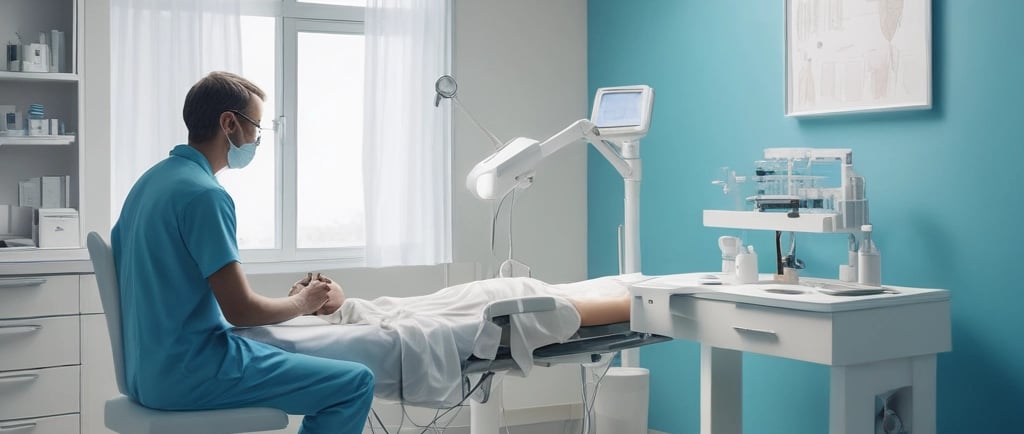
Preventive healthcare has become a vital part of modern medical practice as people increasingly recognize the importance of early disease detection. Instead of waiting for symptoms to appear, preventive health checkups focus on identifying potential health risks at an early stage. Diagnostic testing plays a crucial role in this approach by providing accurate insights into the body’s internal functions. Through regular screenings, individuals can detect underlying health conditions early and take proactive steps to maintain long-term well-being.
Many chronic illnesses such as diabetes, heart disease, thyroid disorders, liver problems, and kidney diseases develop gradually and often remain unnoticed for years. During this silent phase, the disease may continue to progress, causing irreversible damage. Preventive diagnostic tests help uncover these conditions before symptoms become severe. Early detection allows doctors to recommend lifestyle modifications, medications, or further evaluations that can slow or even prevent disease progression.
One of the major advantages of preventive health checkups is the ability to assess overall health status through a combination of tests. Blood tests, urine analysis, lipid profiles, liver and kidney function tests, and hormonal evaluations provide a comprehensive picture of how the body is functioning. These tests help identify nutritional deficiencies, metabolic imbalances, infections, and organ dysfunctions that may otherwise go unnoticed.
Preventive diagnostics also play a key role in managing lifestyle-related disorders. Modern lifestyles often involve poor dietary habits, lack of physical activity, stress, and irregular sleep patterns, all of which contribute to health problems. Regular diagnostic screenings help monitor the impact of these factors on the body and encourage individuals to make healthier choices. By addressing health risks early, preventive care supports long-term wellness and improved quality of life.
Another significant benefit of preventive health checkups is cost-effectiveness. Treating diseases at an advanced stage often requires expensive medical interventions, hospitalizations, and long-term medication. Early diagnosis through routine testing reduces treatment costs by preventing complications and minimizing the need for complex procedures. Preventive diagnostics therefore not only protect health but also reduce financial burden.
Diagnostic centres play a critical role in delivering preventive healthcare services. A reliable diagnostic centre offers a wide range of tests, advanced laboratory equipment, and experienced medical professionals to ensure accurate results. High-quality diagnostics help doctors make informed decisions and provide patients with confidence in their health assessments. Choosing a trusted diagnostic centre is essential for reliable preventive care.
Home sample collection services further enhance the accessibility of preventive diagnostics. Patients can undergo routine testing from the comfort of their homes, making it easier to maintain regular health checkups. This convenience encourages more people to prioritize preventive care, leading to healthier communities.
In conclusion, preventive health checkups are a powerful tool for early disease detection and long-term health management. Regular diagnostic screenings help individuals stay informed about their health, take preventive measures, and avoid serious complications. Investing in preventive diagnostics today ensures a healthier and more secure future.
Contact
Reach us anytime for your health needs
Phone
+91 9324413004
© 2025. All rights reserved.